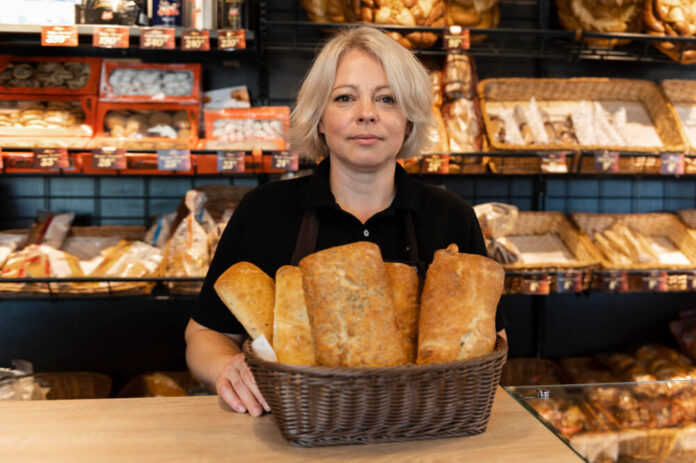

Schwebel Baking Company has been a familiar name in many American households for more than a century. Known for its breads, buns, and baked goods, the brand built a strong local presence and loyal customer base over the years.However, recent news and discussions have raised concerns about the company’s future and possible closure.
In this article, we explain the situation in simple and easy-to-understand terms. We will examine what is really happening with Schwebel’s, why its shutdown is being discussed, and what it means for employees, customers, and the bakery industry. The goal is to give a clear, easy-to-understand overview without confusion or speculation.
Why Everyone Is Talking About Schwebel’s Closure
The sudden attention around Schwebel’s comes from reports and discussions suggesting that the company is facing major operational challenges. Whenever a long-established brand shows signs of restructuring or downsizing, it naturally creates concern among customers and employees.
Social media has also played a major role in spreading awareness about it.People noticing fewer products in stores or hearing rumors about closures start sharing information quickly online. This has made the topic trend, even when official details may still be unfolding.
At the same time, the bakery industry itself has become more competitive, and smaller regional brands often struggle to keep up with rising costs. All of these factors combined have led to increased curiosity about Schwebel’s future.
What Happened to Schwebel Baking Company?
Schwebel Baking Company has reportedly been going through financial and operational pressure in recent years. Like many long-running food manufacturers, the company has had to deal with rising production costs, supply chain issues, and changing consumer habits.
While Schwebel’s has not always been in the headlines, internal challenges appear to have built up over time. Maintaining large-scale bakery operations requires constant investment in equipment, logistics, and distribution, which becomes harder when margins are tight.
Because of these pressures, discussions about restructuring, downsizing, or even closure have become more common. This has created uncertainty among both workers and customers who rely on the brand.
From Local Favorite to Shutdown: How Schwebel’s Reached This Point
Schwebel’s started as a strong regional bakery brand with deep roots in its local communities. For decades, it was known for fresh bread delivered daily to stores, schools, and restaurants. This strong local identity helped it grow steadily.
However, over time, the market changed. Large national bakery brands and supermarket in-house bakeries started dominating shelf space. These competitors often have lower costs and wider distribution networks, making it difficult for smaller companies to compete.
Consumer preferences also shifted toward specialty breads, health-focused options, and national brands with aggressive marketing. As a result, traditional bakeries like Schwebel’s came under growing pressure to quickly adapt to a rapidly changing industry.
Which Operations Are Closing and What Will Happen Next?
Reports suggest that Schwebel’s is undergoing a major transition phase, which includes reducing or closing certain operations. This typically involves distribution centers, bakery facilities, and retail outlets depending on the company’s structure.
In many cases like this, companies gradually wind down production while fulfilling existing supply contracts. This means products may still appear in stores for a limited time, even if long-term operations are ending.
What happens next often depends on whether a buyer steps in or if the company moves fully into liquidation. If no restructuring deal is made, operations are usually closed in phases until everything is fully shut down.
How the Closure Impacts Employees, Stores, and Customers
One of the biggest impacts of a closure like this is on employees. Workers in production, delivery, and retail roles are often directly affected, with job losses or relocations depending on the situation.Stores and distributors may also feel the impact as they lose a long-term supplier. This can lead to changes in product availability and shelf space adjustments.
For customers, the most noticeable effect is product disappearance. Loyal buyers who grew up with Schwebel’s bread may find it harder to locate their favorite items or may need to switch to alternative brands.
Schwebel’s Products in Stores: Will They Disappear Completely?
Even during shutdown processes, products do not disappear immediately. There is usually a transition period where remaining inventory continues to be sold in grocery stores and retail outlets.
However, once production stops completely, products gradually fade out from shelves. Some items may still be available through independent distributors or remaining stock, but availability becomes inconsistent over time.In many cases, customers may not notice an immediate disappearance, but rather a slow reduction in availability until the brand is no longer visible in stores.
What Happens After Liquidation? Future of the Brand Explained
If a company enters liquidation, its assets are typically sold to pay off debts and obligations. This may include equipment, facilities, and even brand rights. In some cases, another company may buy the brand name and continue limited production under new ownership. However, this is not guaranteed and depends on market interest and financial value.If no buyer steps in, the brand often becomes inactive, and its legacy remains only in memory and historical records rather than ongoing production.
The End of a 120-Year Legacy
Schwebel Baking Company has been more than just a business—it has been part of community life for over 120 years. Its products have been present in homes, schools, and local stores for generations.
The idea of closure reflects more than a business change; it also marks the end of a long tradition. For many people, it marks the disappearance of a familiar everyday brand that played a quiet but consistent role in daily life.Regardless of what happens next, the legacy of Schwebel’s remains significant in the regional bakery industry.
Final Verdict
Schwebel’s situation reflects the challenges faced by many long-established regional companies in today’s competitive market. While reports suggest serious operational decline and possible shutdown, the exact final outcome depends on ongoing business decisions and financial processes.
What is clear is that the company is going through a major transition phase, and its future is uncertain. Customers and employees are closely watching developments as the situation continues to unfold.For now, Schwebel Baking Company stands as an example of how even century-old brands must adapt—or risk disappearing from the market.
Also Read: